If you are planning a false ceiling in Thane, Mumbai or Navi Mumbai, someone will ask whether you want POP or gypsum. The two are often mixed up, but they are different materials with different strengths.
What is the difference?
Gypsum false ceilings use factory-made boards that are screwed onto a GI channel frame. The joints are taped and finished with putty, so the surface is flat and consistent.
POP (plaster of Paris) ceilings are shaped by hand on site, usually over a frame. They give the craftsman freedom for curves, mouldings and cornices, but the work is slower and messier.
Which one handles Mumbai's humidity better?
Neither likes water. In monsoon, hairline cracks tend to show first at POP joints, while gypsum boards stay more stable as long as the frame is fixed properly. For kitchens, bathrooms and balconies, ask for moisture-resistant boards, and always fix any seepage above the ceiling first.
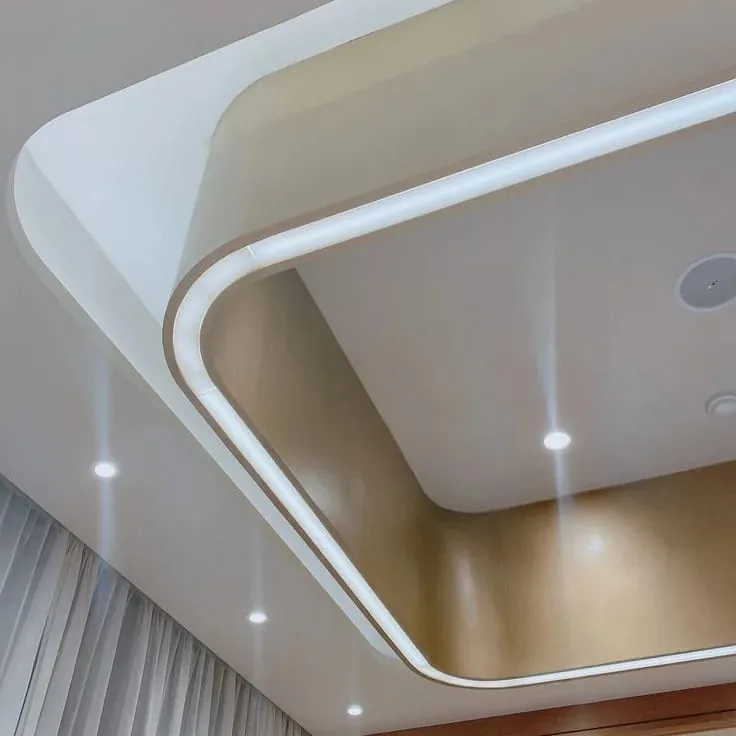
Rule of thumb: use gypsum for flat and cove ceilings, and POP for decorative edges, curves and cornices. Most designer ceilings combine both.
Quick comparison
| Factor | Gypsum board | POP |
|---|---|---|
| Finish | Very flat and uniform | Best for curves and detail |
| Site mess | Low | Higher |
| Speed | Faster | Slower (drying time) |
| Crack risk | Lower with proper joints | Higher at joints |
| Lighting | Easy cove and spot cut-outs | Easy, but plan wiring early |
Mind the ceiling height
Most flats have limited height, so a full drop can make rooms feel low. A peripheral ceiling that drops only the edges and keeps the centre high usually looks better and keeps the room airy.
Questions to ask your contractor
- Which board brand and thickness will be used?
- How are joints taped and finished?
- Are control joints planned for long spans?
- Will electrical conduits be laid before the ceiling is closed?